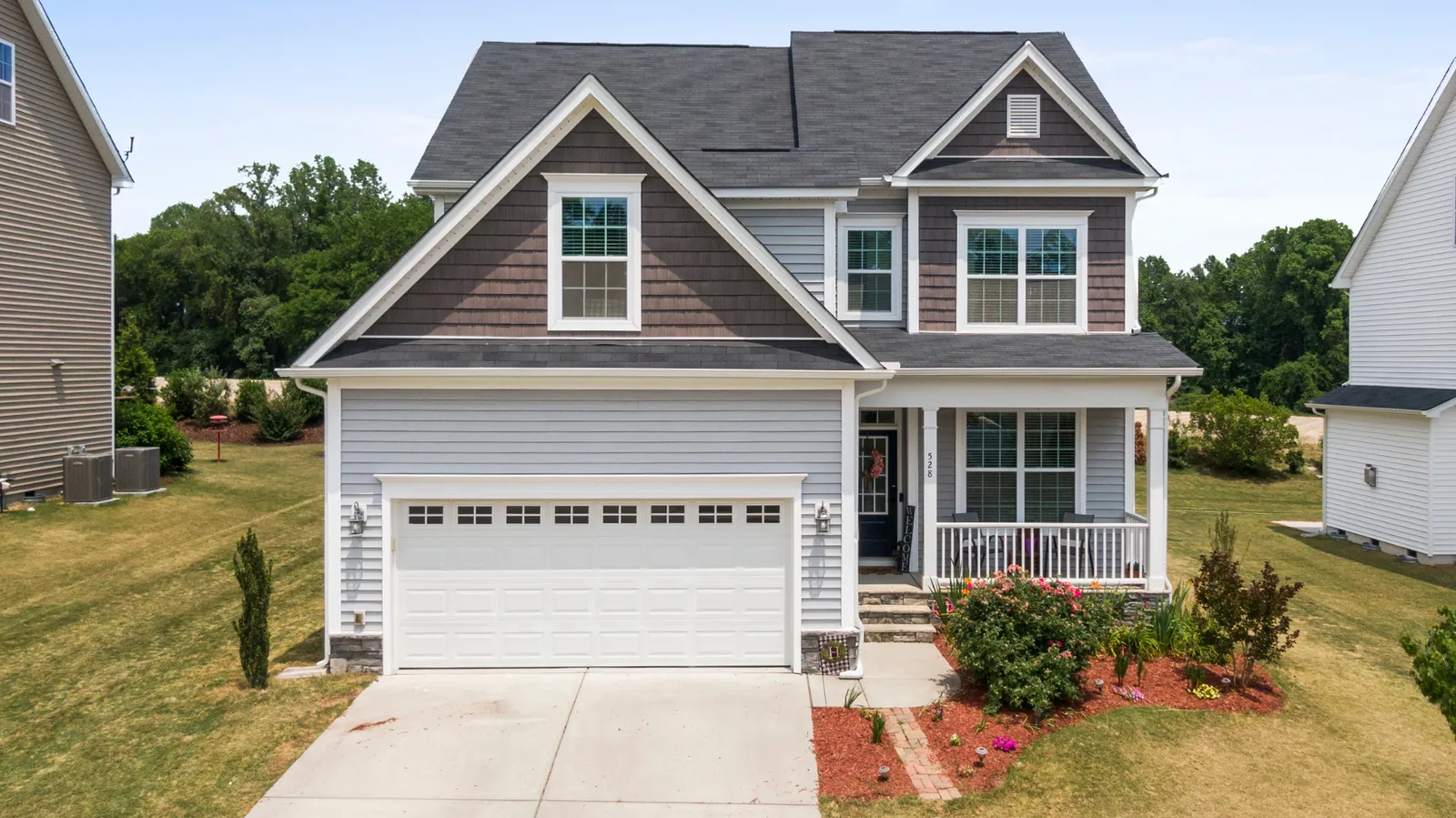
Plenty of houses in Murphy are on their second roof claim, and a fair few are on their third. That's what a county with this much hail on the record does to a roof, and it doesn't say anything about you or how the house has been kept. What trips people up is expecting the second one to run like the first. It won't, and the difference is easier to handle if you know about it before you file instead of halfway through.
Proving which storm did it
The first time around, the question is a short one. Is that damage, and did weather do it? The roof has one history behind it, the storm is recent, and the marks line up.
The second time around, the roof's already carrying marks before this storm ever got here. Some of what's up there belongs to the claim you're filing now and some belongs to the one you filed before, and telling those apart is the substance of the whole thing. The adjuster isn't digging in. They've been handed a harder question than the one they got last time, and it's one about dates rather than damage. The county keeps a hail record you can point at, and the dates live there.
The old paperwork is the strongest evidence you have
Whatever the last claim paid to replace, everyone starts out treating as sound. That's in your favor: if it's damaged now, it got that way afterwards, because it was new when the last storm was finished with it.
It cuts the other way if that money never made it onto the roof. A carrier that's already paid for a slope generally won't pay for it twice, and the old claim file is where that shows up. If you can't lay hands on yours, it isn't lost; the carrier keeps a copy.
- The earlier scope: what the last claim approved, and what it left alone.
- The date: which storm it was written against.
- The invoice: proof the work actually happened, which is also what released any depreciation that was held back.
What a second claim does to your policy, honestly
Hail doesn't pick a house. It runs through a whole neighborhood in one afternoon, which is why most carriers keep weather losses on a different footing from the at-fault kind. Nobody's counting it as something you did.
That's not the same as saying a run of claims changes nothing. It can move what a policy costs, or what it covers, when renewal comes around. That answer's written into your own policy and your own carrier is the only one holding it. What a neighbor got told about theirs doesn't transfer to yours. Around here the wind and hail deductible is usually a percentage of what the house is insured for rather than a flat figure, so it moves as the value does.
Getting this storm on record
What a second claim turns on is what's on the roof right now, with a date attached to it. Photographs taken before anything's tidied up, and taken close enough to show where each mark sits and not only that one exists. A fresh break on a slope the last claim already replaced makes the dating argument on its own.
Ask Murphy Roofing Company for a look while the marks are still fresh, and a local roofer gets up there, photographs what this storm left and ties it to the day it happened. That's the one piece the old claim file can't supply for you. The rest of the sequence, in the order a carrier asks for it, is laid out here.