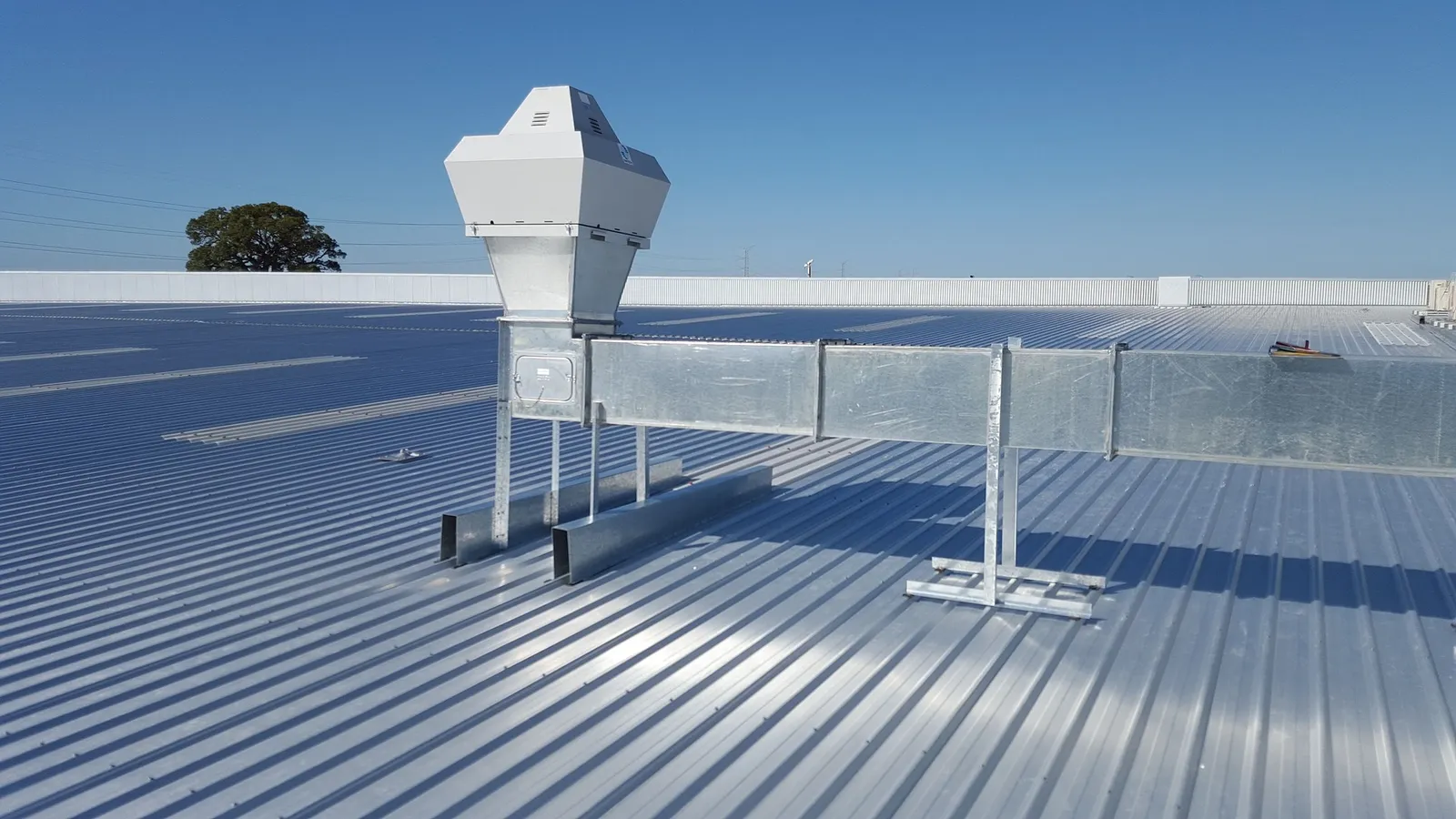
Metal Roofing in Murphy, TX
Metal roofing comes up in Murphy after a bad hail year, and by then everyone on the street has an opinion about it.
You're weighing metal against another round of shingle. Our roofers price both off your own slopes, so the gap's a number, not an opinion.
Metal roofing on a Murphy home
Metal costs more than anything else you can put on a Murphy house, and on plenty of roofs here it never earns the difference. Where it does is a house that comes out of every hail season with another deductible and another round of storm work.
Standing seam is the version worth talking about on a house. The panels run the slope in one piece and lock at raised seams, with the fasteners underneath where nothing on the weather side can back out in the heat. An exposed-fastener panel screws through the face every couple of feet, and those washers give out first.
Two coverages come with a metal roof and they do not run the same length. The panel and its finish belong to the manufacturer; the install is our roofer's workmanship. What each one covers matters more here, because a chalking finish and a leaking seam are different failures.
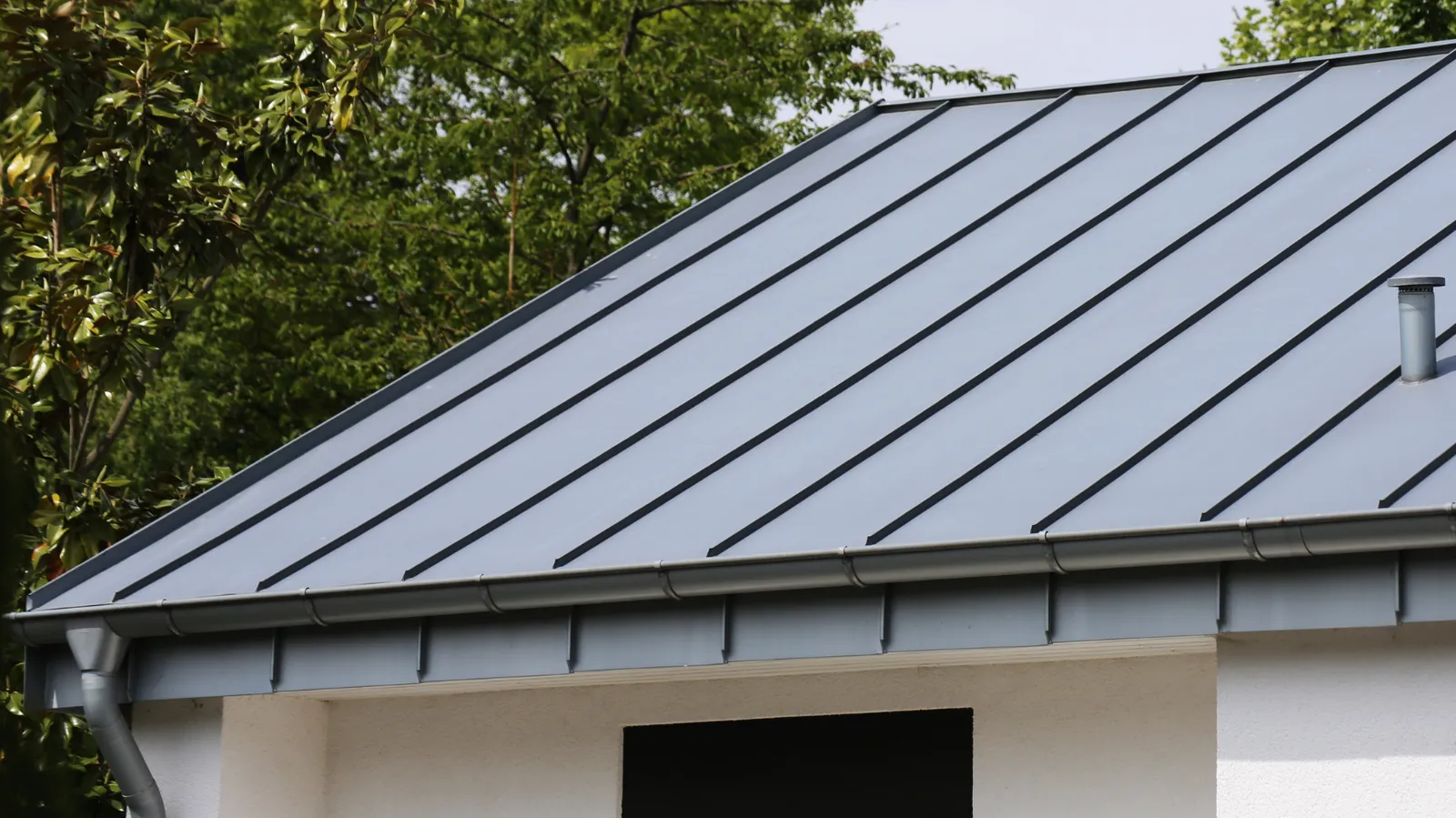
Both coverings on one estimate
Our roofers price metal and shingle on the same roof, so the gap sits in front of you as a number. Both quotes break the work out the same way and neither one costs you anything.
Panel type matched to pitch
Standing seam and exposed-fastener are different products at different prices, and which one a roof can carry is a measurement question. The pitch and the run of each slope decide it, so you won't get that settled from the driveway.
Clips that let metal move
What fails first on a metal roof is almost never the panel itself. Clips let the metal grow and shrink as it heats, and a system that can't move is how a good-looking roof starts oil-canning and working its fasteners loose.
What goes under the panels
High-temperature underlayment isn't the same product that goes under shingle, and metal gets hot enough here that the difference shows up by the second summer. The decking beneath it gets read bare, because a long panel telegraphs every dip in the wood under it.
Decking priced before it opens
Nobody knows what the wood under a roof looks like until the shingles come off. The per-sheet rate for replacing it is agreed before that moment, so if the decking's soft, the number moves in a direction you already saw coming.
What the impact rating covers
A Class 4 rating comes from a steel ball dropped under test conditions, and hail in this county behaves less tidily than that. The rating's quoted with what it covers and where it stops.
When metal earns its cost in Murphy
Metal is the most expensive covering a Murphy roof can carry, and it doesn't suit every house here. The county record holds 88 hail reports at an inch across or bigger, and that frequency is the thing the extra money buys against.
A second claim on the same roof
This is the clearest case in the county. Once a house has claimed twice, you're no longer paying a one-off deductible, you're paying one that comes back.
Long, uninterrupted roof lines
Standing seam runs best down a long simple slope, and that's what keeps the labor sensible. A roof broken up with dormers and valleys costs far more in metal than it does in shingle, because every break gets fabricated by hand.
You plan to stay put
Metal only repays the difference over a long hold. On a house you expect to sell inside five years, the money doesn't come back in the sale price.
A low-slope run that keeps failing
Shingle needs slope to shed, and a shallow run under it will keep finding ways to leak. A standing seam panel handles that pitch without the same trouble, and that's why a metal section sometimes goes on a house that stays shingle everywhere else.
One claim and a roof that's holding
This is the house metal is wrong for. An impact-resistant shingle goes after the same hail for a fraction of the gap, and it fits whatever shape the roof already is.
You mostly want the look
A designer shingle profile gets close to the look for a good deal less. If appearance is the main draw, that's usually the cheaper way to the same result, and it's worth knowing before anyone quotes a panel.
Putting a metal roof on a Murphy home
Panels themselves go down quickly, and the slow part is the edges, valleys and pipes the metal has to be cut and folded around.
Down to the deck
Everything above the decking comes off, and the bare wood gets read while the roof is open. Anything soft is shown to you while it's still uncovered.
Underlayment and edge detail
High-temperature underlayment goes down, then the eave and edge metal. The edge is what the rest of the roof holds to, so it goes on before a single panel does.
Panels and hidden clips
Panels sit on clips that let the metal expand and contract through a Texas summer. Nothing pierces the visible surface, which is why standing seam has no exposed screws to back out.
Penetrations by hand
Pipes, chimneys and wall junctions are cut and folded to fit the roof they land on, because metal has no slide-on boot. This is the slow work, and it's the work that decides whether the roof leaks.
Ridge, trim and a sweep
Ridge cap and trim close the roof out. A magnet run for offcuts and fixings is a line worth looking for in the estimate you sign.
Metal against asphalt on a Murphy roof
Metal sits well above architectural shingle, and standing seam sits at the top of it. Whether that pays back depends on how long you are staying and what your insurer does with an impact-resistant roof. The cost page sets the two side by side.
Metal roofing questions that come up here
Price metal against your current roof
How many times this roof has claimed already, and how long you plan to stay, are the two answers that settle it. Our roofers measure both coverings on your own slopes, so the gap you're weighing is yours and nobody else's.